
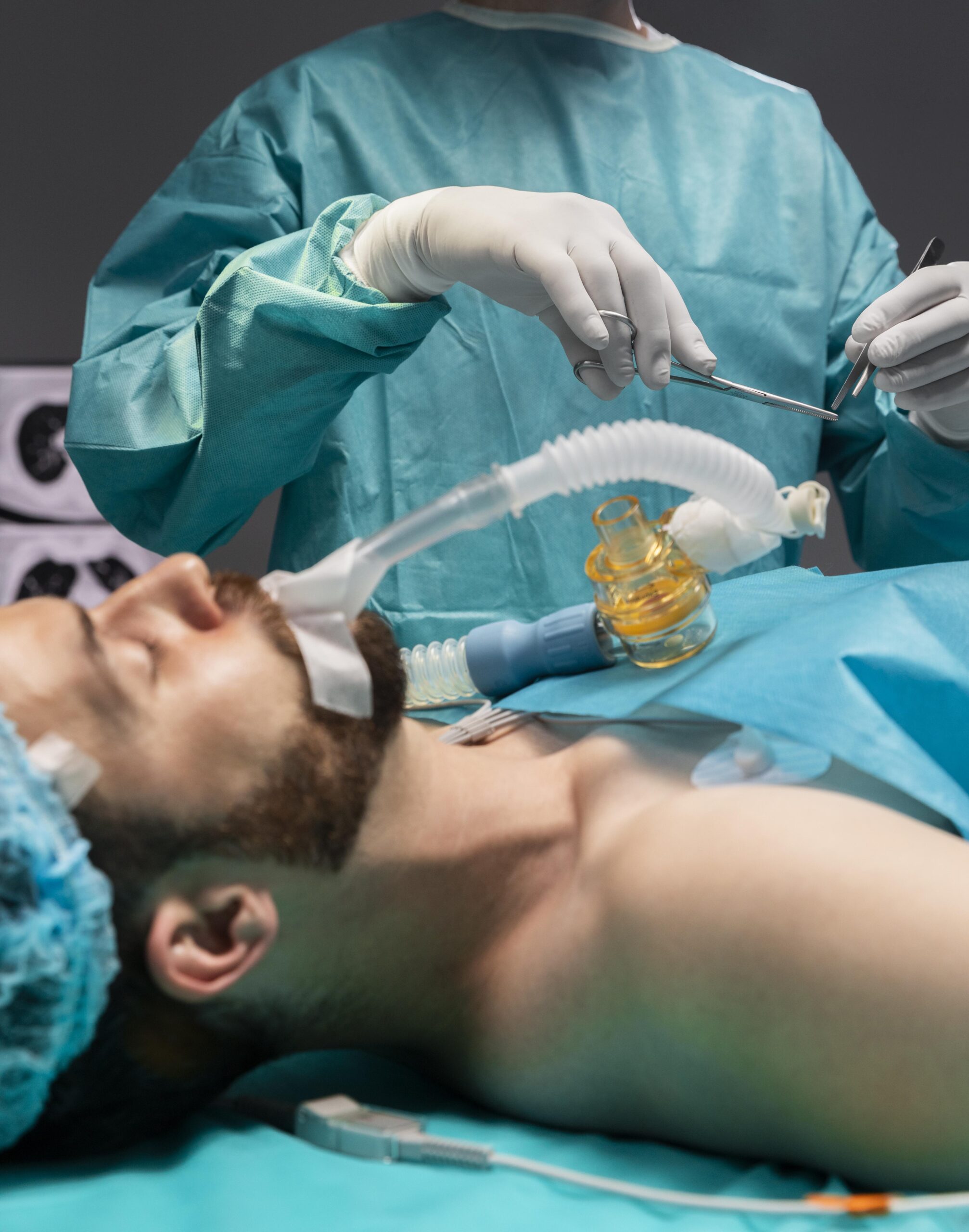
Adenoidectomy is a surgical procedure performed to remove enlarged or infected adenoid glands located behind the nose, near the throat. Enlarged adenoids can block nasal airflow, cause recurrent infections, breathing difficulties, snoring, and sleep disturbances, especially in children. When left untreated, chronic adenoid problems may lead to ear infections, speech issues, and impaired facial growth. At our ENT hospital, adenoidectomy is performed using advanced surgical techniques to ensure safety, precision, and long-term symptom relief.
Adenoidectomy is usually recommended for patients experiencing persistent nasal blockage, mouth breathing, recurrent sinus or ear infections, sleep apnea, or hearing problems related to middle ear fluid. It may also be advised when medical treatment fails to provide lasting relief. Before surgery, our ENT specialists conduct a detailed clinical examination and necessary investigations to confirm the diagnosis and plan appropriate treatment.
After tympanoplasty, patients are guided with clear post-operative instructions, medication support, and follow-up visits. Most patients experience gradual hearing improvement within a few weeks. Our team ensures continuous monitoring for safe healing and optimal outcomes.
We follow a child-friendly, patient-centric, and evidence-based approach. The surgery is performed under sterile conditions using modern instruments to ensure minimal discomfort and optimal outcomes.
Yes, it is a commonly performed and safe ENT procedure when done by experienced surgeons.
The procedure usually takes about 30 to 45 minutes.
Mild discomfort may occur, which is easily managed with prescribed medication.
Most adenoidectomy procedures are done as day-care surgeries.
Children can usually return to normal activities within a few days.
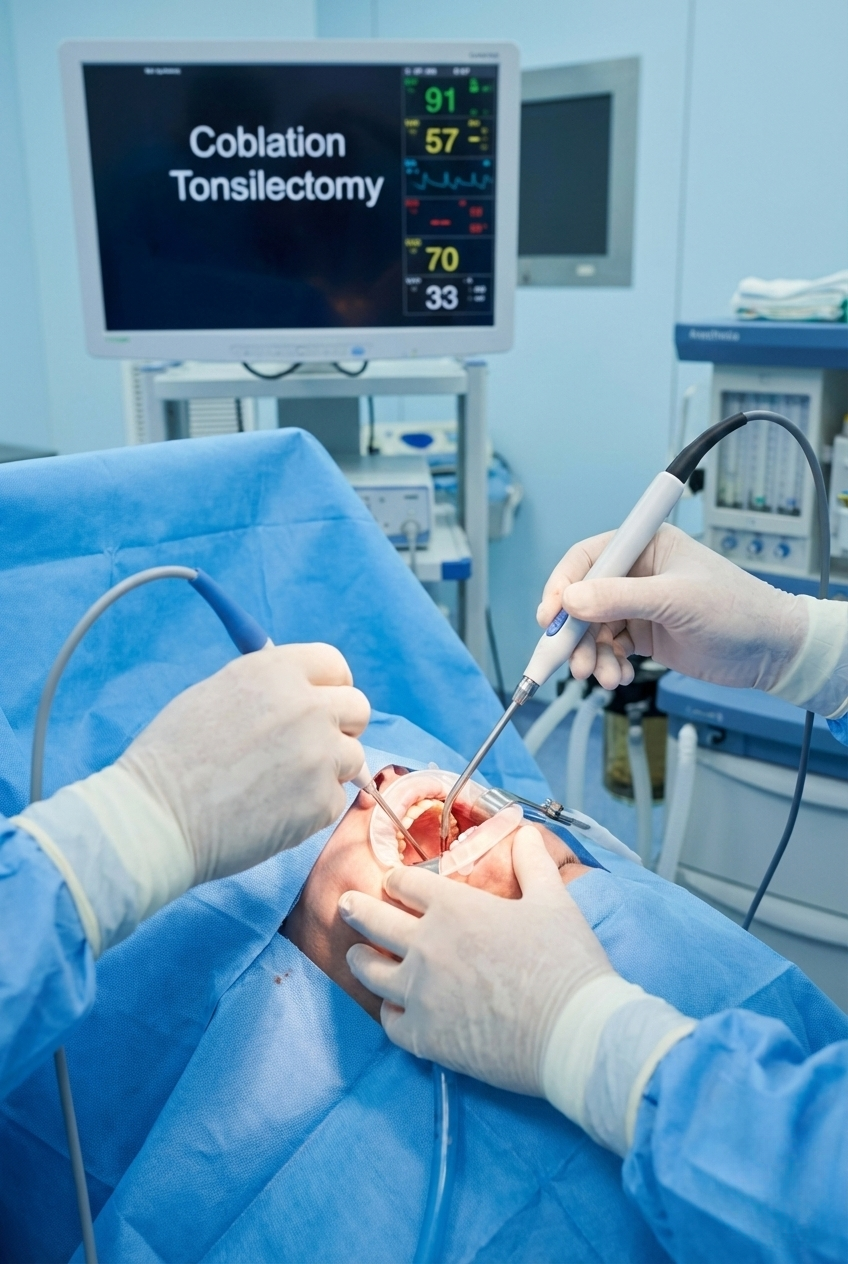
Coblation-assisted tonsillectomy is an advanced surgical procedure used to remove chronically infected or enlarged tonsils using low-temperature plasma technology. This technique minimizes tissue damage while effectively treating recurrent tonsillitis, throat infections, snoring, and sleep-disordered breathing. Untreated tonsil problems can lead to frequent illness, poor sleep, difficulty swallowing, and reduced quality of life. Our ENT hospital uses coblation technology to ensure safer surgery and faster recovery.
This procedure is recommended for patients with recurrent tonsil infections, difficulty swallowing, persistent sore throat, breathing issues during sleep, or enlarged tonsils not responding to medication. Prior to surgery, our ENT specialists conduct a thorough throat examination and relevant investigations to determine the necessity of tonsil removal.
Patients are guided with post-operative care instructions, medications, and dietary advice. Recovery is generally faster with coblation, and most patients return to normal activities within a short period.
We use minimally invasive coblation techniques under controlled conditions, focusing on reduced pain, minimal bleeding, and safe outcomes.
It uses low-temperature technology, causing less tissue damage and faster recovery.
Coblation significantly reduces post-surgery discomfort compared to traditional methods.
The procedure usually lasts about 45 to 60 minutes.
Most patients are discharged the same day or after a short observation period.
Soft foods are recommended initially, with gradual return to a normal diet.
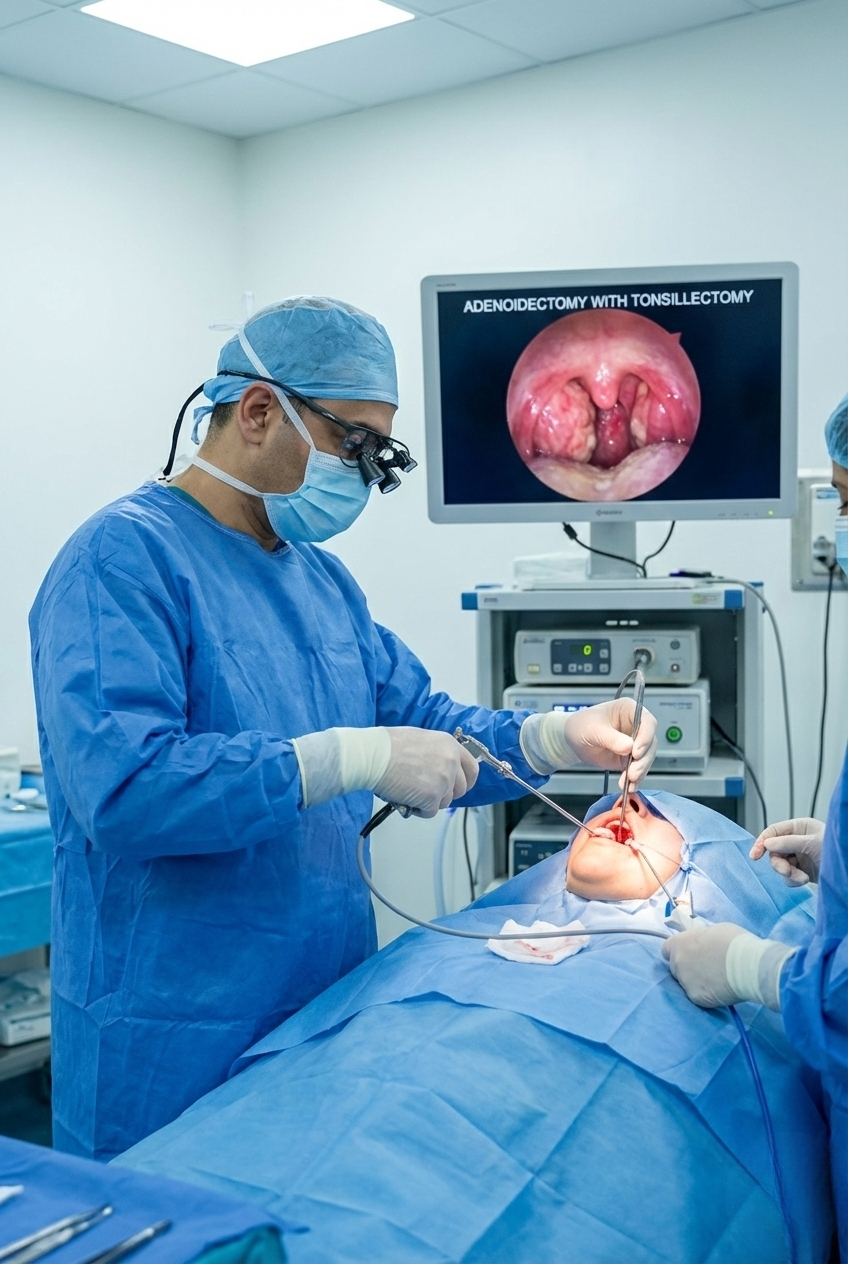
Adenoidectomy with tonsillectomy is a combined surgical procedure performed to remove both adenoids and tonsils when they cause persistent infections, breathing difficulties, or sleep-related disorders. Enlarged adenoids and tonsils can significantly obstruct the airway, leading to snoring, sleep apnea, recurrent throat infections, and ear problems. Our ENT hospital performs this combined procedure using advanced surgical techniques for safe and effective treatment.
This surgery is commonly recommended for children and adults with recurrent tonsillitis, chronic adenoid infections, sleep apnea, mouth breathing, or hearing issues caused by middle ear fluid. Before surgery, a detailed ENT evaluation and necessary investigations are conducted to ensure accurate diagnosis and appropriate surgical planning.
Patients receive detailed recovery guidance, medications, and follow-up schedules. Most patients experience noticeable improvement in breathing, sleep, and overall health within weeks.
We adopt a comprehensive, patient-focused approach using modern surgical methods to minimize discomfort and ensure faster recovery.
Yes, it is a commonly performed and safe combined ENT procedure.
The procedure usually takes about 60 to 90 minutes.
Recovery time is similar, with proper care ensuring smooth healing.
In most cases, symptoms resolve permanently after successful surgery.
Most patients can resume normal activities within 7 to 10 days.

This combined ENT surgical procedure is performed to treat recurrent throat infections, enlarged adenoids, obstructive breathing problems, and persistent middle ear fluid causing hearing loss, especially in children. Adenoidectomy and tonsillectomy remove infected lymphoid tissues, while bilateral myringotomy with grommet insertion allows continuous ventilation of the middle ear. When left untreated, these conditions can lead to sleep disturbances, speech delay, recurrent ear infections, and poor hearing development. At our ENT hospital, this procedure is performed using advanced surgical techniques under strict safety protocols to ensure effective relief and long-term outcomes.
This combined surgery is recommended for children experiencing frequent tonsillitis, adenoid hypertrophy with nasal blockage, sleep apnea symptoms, recurrent ear infections, or hearing loss due to middle ear fluid. A comprehensive ENT examination, endoscopic evaluation, and hearing tests are conducted before recommending surgery to ensure accurate diagnosis and optimal treatment planning.
After surgery, patients receive detailed post-operative instructions, medications, and scheduled follow-ups. Most children recover comfortably within a few days, with gradual improvement in breathing, hearing, and overall health.
We follow a child-focused, evidence-based approach using minimally invasive techniques, ensuring safety, reduced discomfort, and faster recovery.
Yes, combining these procedures is safe and commonly recommended when medically indicated.
Yes, grommet insertion helps restore normal hearing by draining middle ear fluid.
The procedure usually takes 60–90 minutes.
Most cases are managed as short-stay or day-care procedures.
Children typically resume routine activities within one to two weeks.
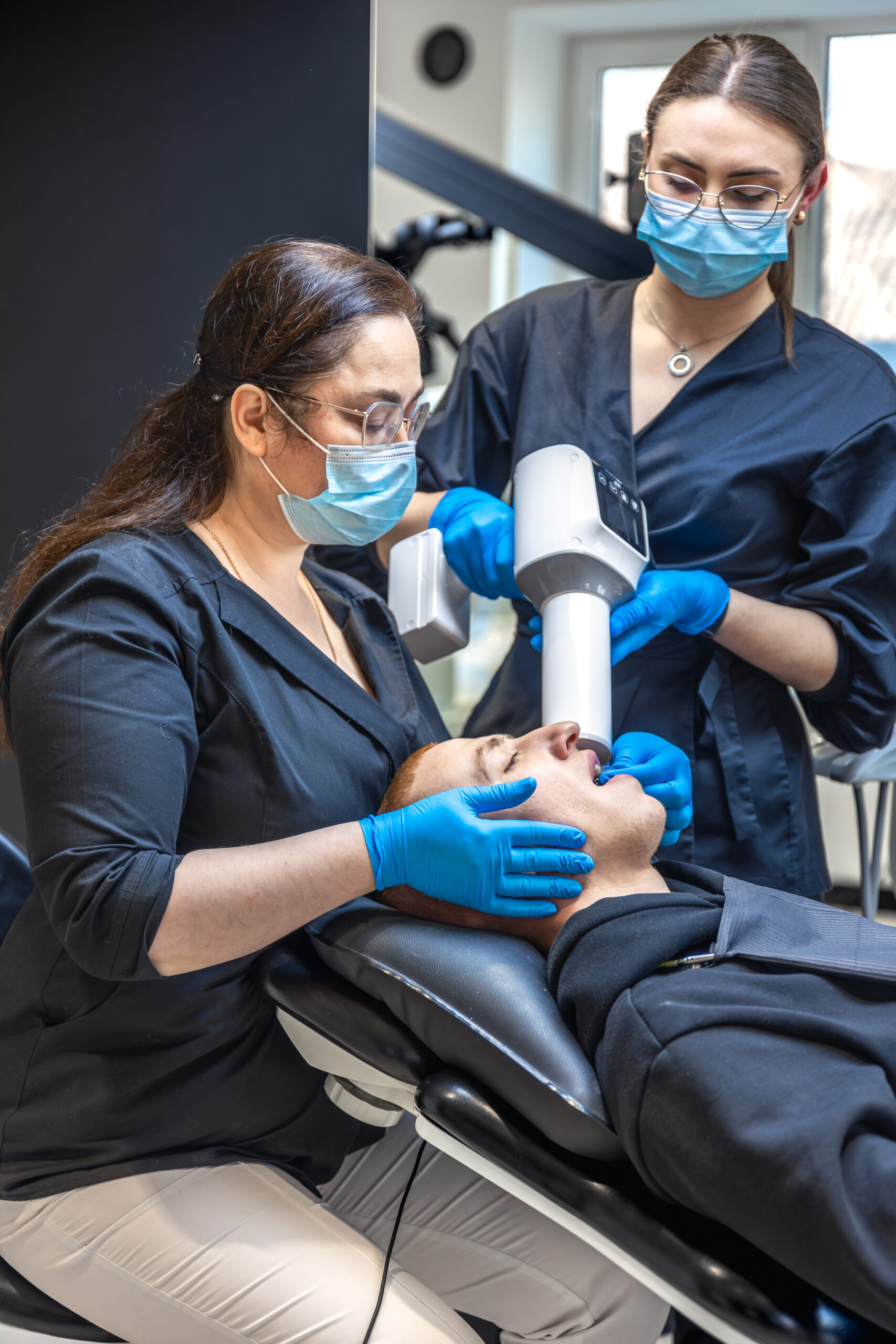
This procedure involves the surgical removal or biopsy of abnormal growths, swellings, or suspicious lesions involving the tonsils or adenoids. These lesions may present as persistent enlargement, asymmetry, ulcers, or unexplained bleeding and require histopathological evaluation to rule out infections, benign growths, or malignancy. Early diagnosis plays a critical role in effective treatment. At our ENT hospital, excision and biopsy procedures are performed with precision using modern surgical instruments under controlled conditions.
This procedure is recommended when tonsillar or adenoid lesions fail to resolve with medical treatment, show rapid growth, cause swallowing difficulty, or raise concern for abnormal pathology. A thorough clinical examination, imaging, and endoscopic assessment are carried out before planning the procedure.
Patients are provided with post-operative guidance, medications, and follow-up appointments. Recovery is generally smooth, with minimal discomfort.
We emphasize accurate diagnosis, minimal tissue trauma, and safe surgical practices to ensure reliable results and patient comfort.
The procedure is performed under anesthesia to ensure comfort.
It typically takes 30–45 minutes.
Reports are usually available within a few days.
Most patients can go home the same day.
Yes, it is a routine ENT procedure with minimal risk.
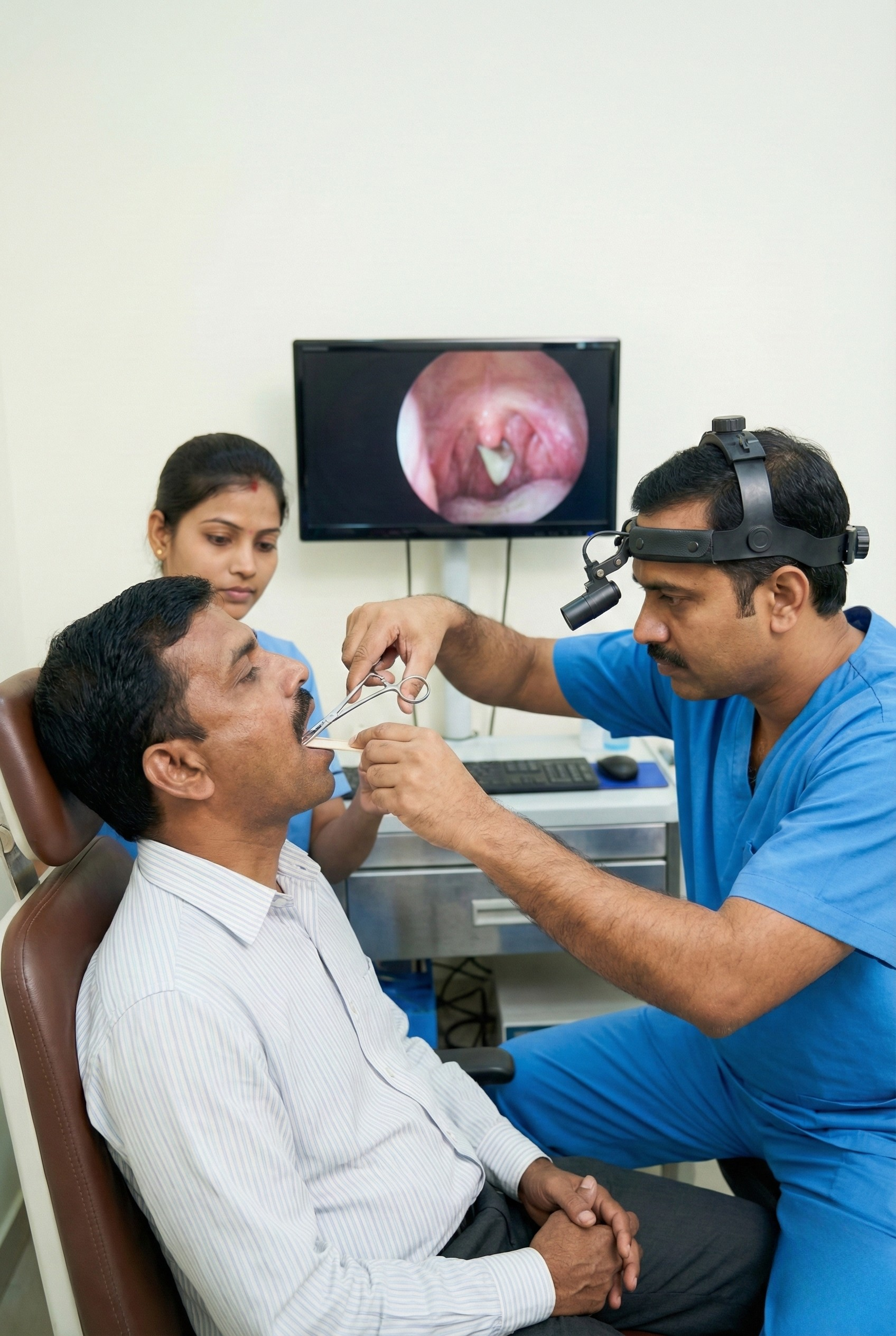
Foreign bodies lodged in the tonsil or adenoid region can cause pain, infection, bleeding, and difficulty swallowing. Commonly seen in children, these foreign objects may include food particles, fish bones, or small objects accidentally inhaled or swallowed. Prompt removal is essential to prevent complications. At our ENT hospital, foreign body removal is performed using safe, controlled techniques under direct visualization.
This procedure is advised when patients experience persistent throat discomfort, pain while swallowing, infection, or visible foreign material in the tonsillar or adenoid area. Detailed examination and endoscopic assessment help confirm the location before removal.
After removal, patients receive medications and care instructions. Symptoms usually resolve immediately or within a short period.
We prioritize rapid intervention, minimal discomfort, and complete removal under sterile conditions.
Local or general anesthesia is used depending on age and object location.
No, it is safe when performed by an experienced ENT surgeon.
Usually completed within 20–30 minutes.
Yes, delayed removal may cause infection or abscess formation.
Most cases are treated as day-care procedures.
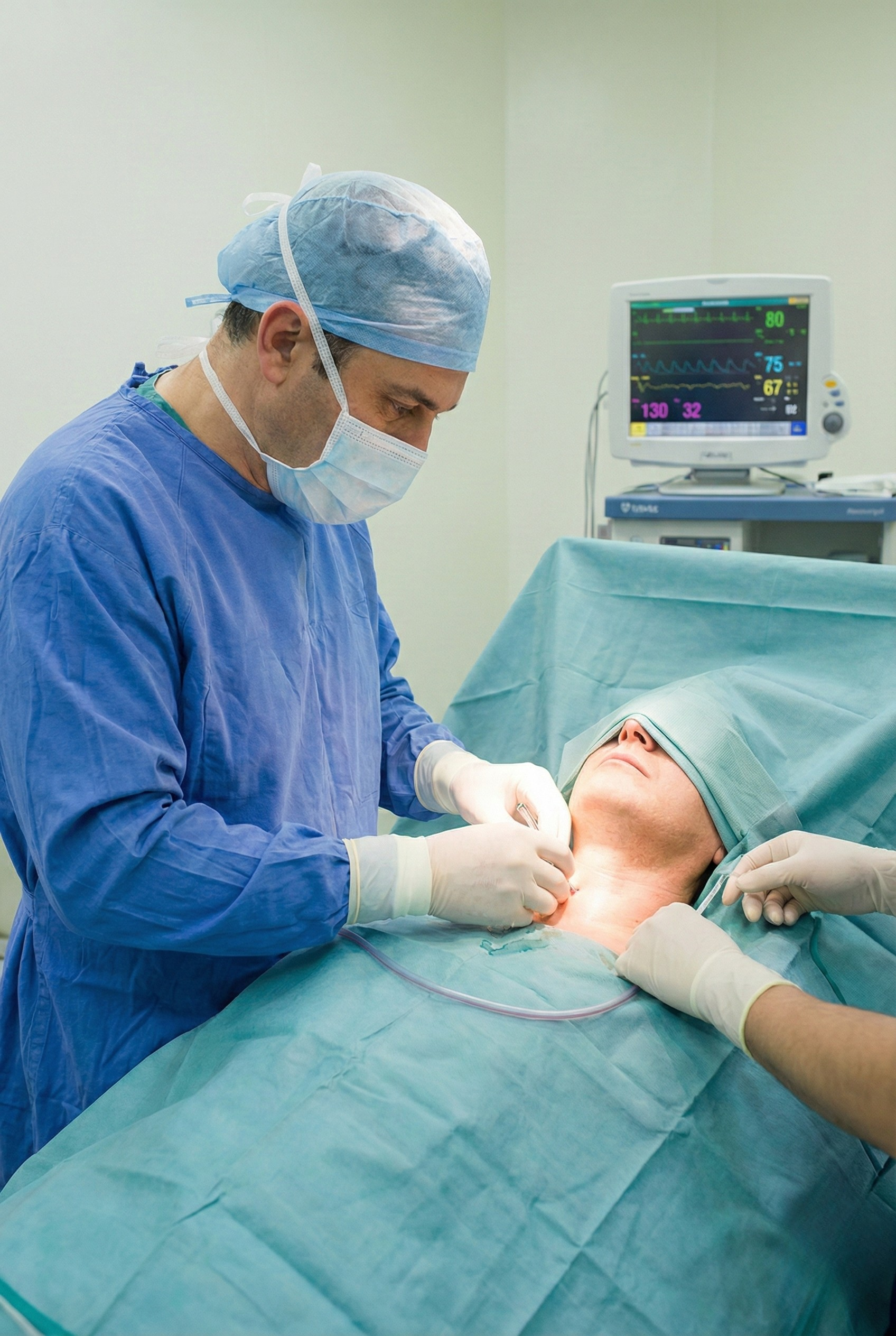
A pharyngeal abscess is a serious ENT condition involving pus collection in the throat region, often resulting from untreated infections. It can cause severe throat pain, fever, difficulty swallowing, and breathing problems. Transoral incision and drainage is a surgical procedure performed to release the abscess and control infection. At our ENT hospital, this procedure is carried out under strict monitoring using advanced surgical techniques.
This procedure is recommended when imaging and clinical findings confirm an abscess that does not respond to antibiotics alone. Prompt surgical intervention is essential to prevent life-threatening complications.
Patients are monitored closely after surgery and prescribed antibiotics and supportive care. Recovery is usually rapid with symptom relief.
We follow emergency-driven, evidence-based protocols to ensure timely drainage and infection control.
Yes, pharyngeal abscesses often require urgent treatment.
Yes, to ensure patient safety and comfort.
Most patients recover within a few days.
Yes, antibiotics are essential to control infection.
Early treatment significantly reduces recurrence risk.