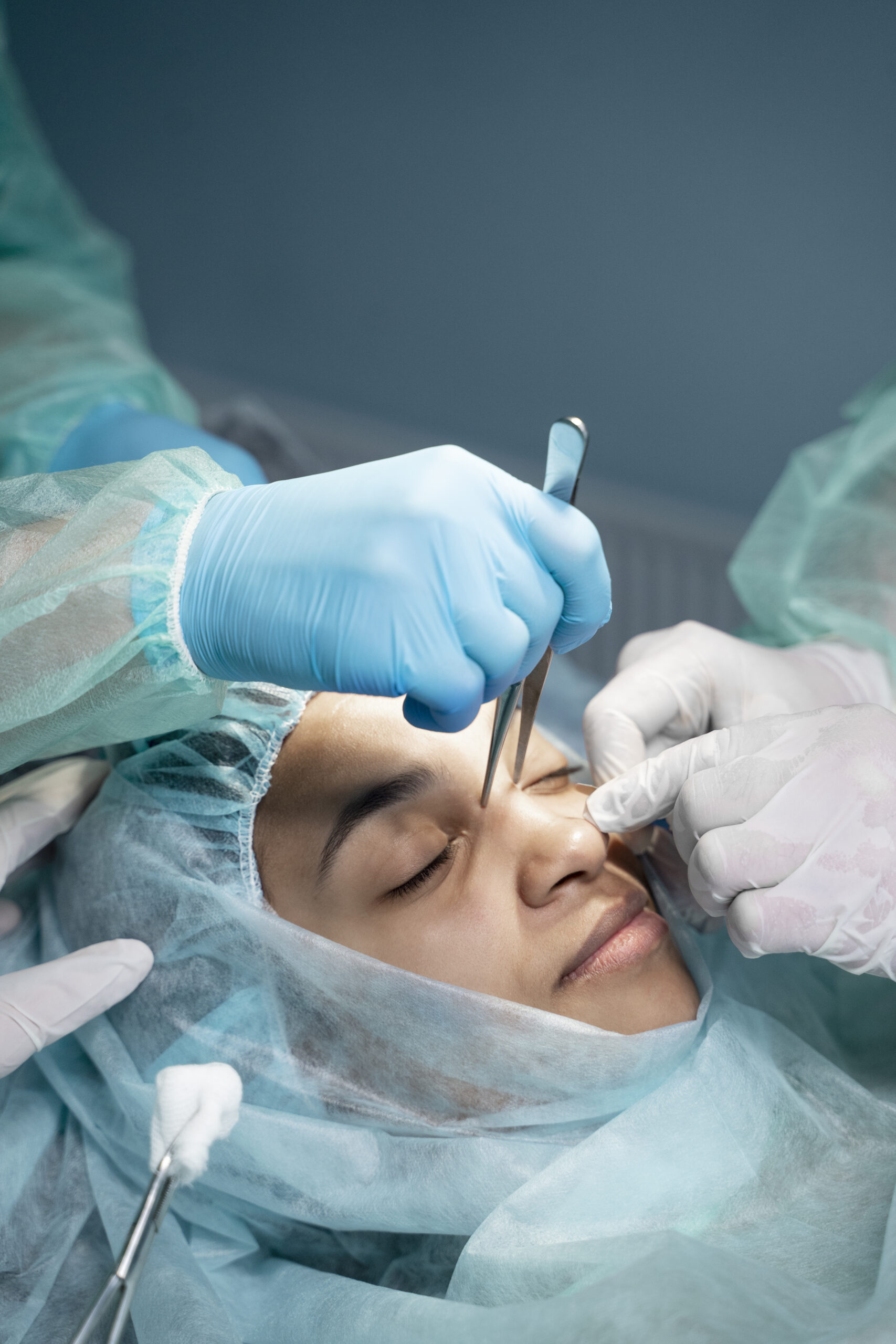
Septoplasty is a surgical procedure performed to correct a deviated nasal septum—the wall separating the two nasal passages—to improve airflow and restore normal nasal breathing. A deviated septum can obstruct airflow, leading to chronic nasal blockage, sinus infections, headaches, and disturbed sleep. If left untreated, it may significantly affect daily comfort and quality of life. At our ENT hospital, septoplasty is performed using advanced endoscopic techniques to ensure precise correction, minimal tissue damage, and long-term relief from nasal obstruction.
Septoplasty is commonly recommended for patients experiencing persistent nasal blockage, recurrent sinus infections, breathing difficulty, frequent headaches, or sleep-related breathing issues caused by septal deviation. It may also be advised following nasal trauma or fractures. Before recommending surgery, our ENT specialists conduct a thorough nasal examination, endoscopic evaluation, and imaging studies to determine the most effective treatment approach for each patient.
After septoplasty, patients receive detailed post-operative guidance, medications, and scheduled follow-ups. Nasal breathing gradually improves over a few weeks as healing progresses.
We follow a patient-focused, evidence-based surgical approach. The procedure is performed under sterile conditions using modern endoscopic visualization for maximum accuracy and safety.
Septoplasty is generally well tolerated, and discomfort is managed effectively with medications.
The procedure usually takes 45 minutes to 1.5 hours, depending on complexity.
No, septoplasty focuses on internal correction and does not alter external appearance.
It is commonly performed as a day-care or short-stay procedure.
Most patients return to routine activities within a few days.
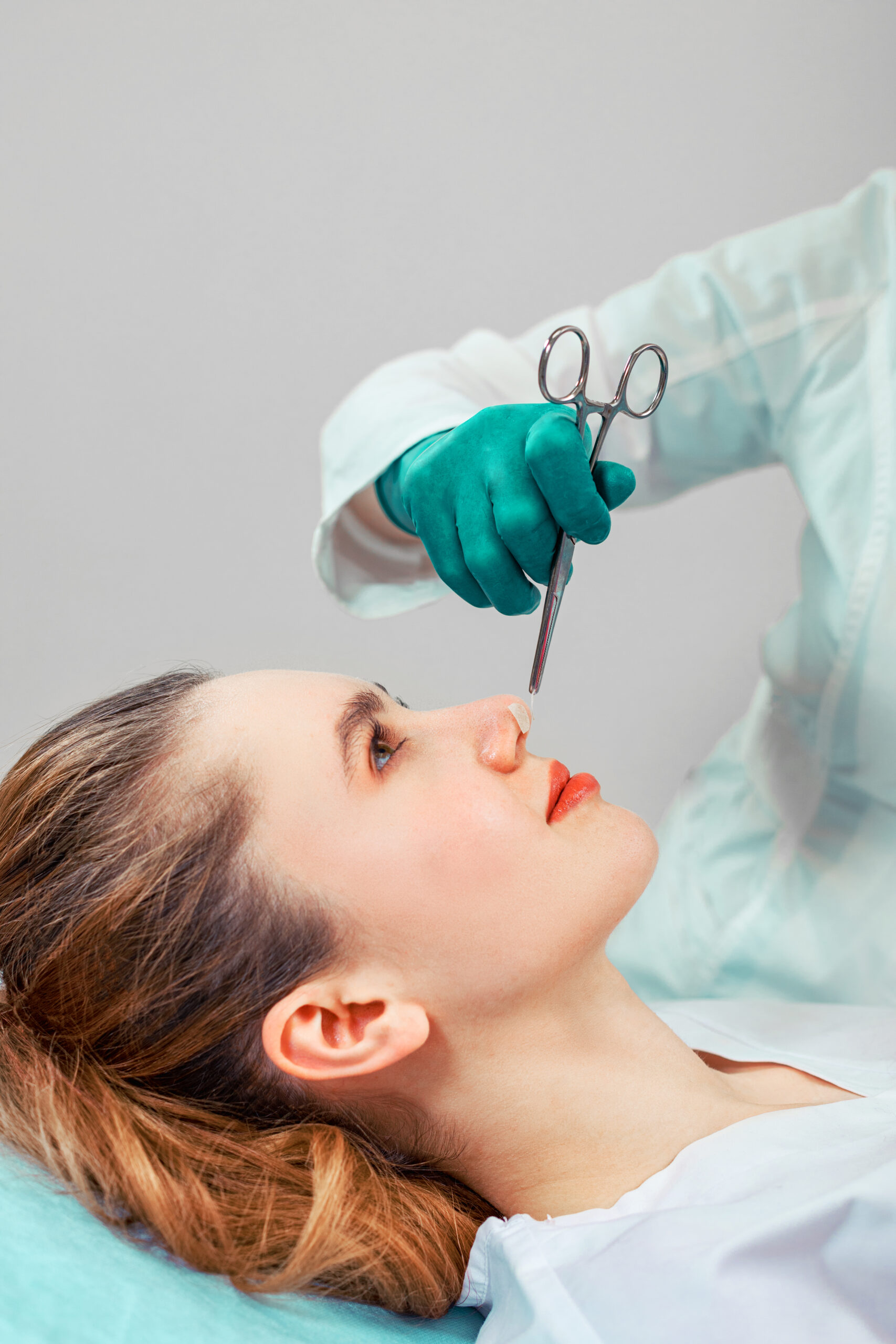
Rhinoplasty is a surgical procedure performed to reshape or correct the external structure of the nose for functional improvement, aesthetic enhancement, or both. It can address concerns such as nasal deformities, asymmetry, breathing difficulties, or post-traumatic changes. A well-balanced nasal structure plays a key role in facial harmony and nasal airflow. At our ENT hospital, rhinoplasty is performed using advanced surgical techniques to achieve natural-looking results with precise functional correction.
Rhinoplasty may be recommended for patients with cosmetic concerns, nasal obstruction, congenital deformities, or trauma-related nasal irregularities. It can also be combined with functional procedures to improve breathing. Prior to surgery, our specialists conduct detailed facial analysis, nasal evaluation, and patient consultation to design a personalized surgical plan aligned with both aesthetic goals and medical needs.
Post-operative care includes swelling management, medications, and follow-up visits. Results gradually improve as swelling subsides over several weeks.
We adopt a customized, patient-centric approach, ensuring symmetry, function, and natural aesthetics through meticulous surgical planning.
No, it can improve both appearance and nasal function.
It typically lasts between 2 to 3 hours.
Scarring is minimal and usually well concealed.
Initial changes appear early, but final results take several months.
Yes, results are long-lasting when healing is complete.
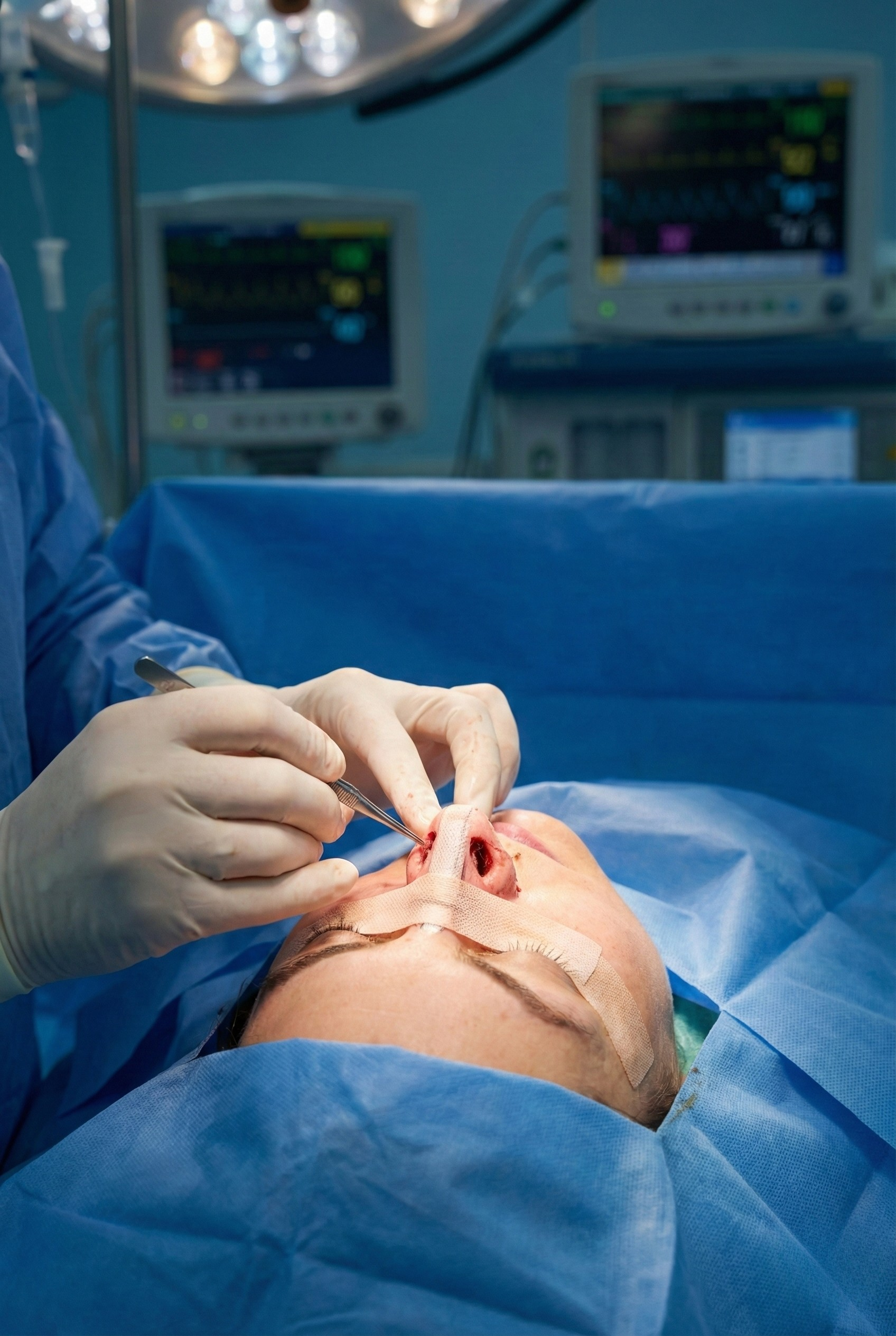
Functional Endoscopic Sinus Surgery (FESS) is a minimally invasive surgical procedure used to restore normal drainage of the sinuses by removing blockages, inflamed tissue, or polyps. Healthy sinuses are essential for proper breathing and infection control. Chronic sinusitis, if untreated, can cause facial pain, nasal congestion, headaches, and recurrent infections. At our ENT hospital, FESS is performed using high-definition endoscopes for precise and safe sinus treatment.
FESS is recommended for patients suffering from chronic sinusitis that does not respond to medical therapy, nasal polyps, recurrent sinus infections, or sinus-related complications. Prior to surgery, a complete nasal endoscopy and CT scan evaluation are performed to map sinus anatomy and plan accurate surgical intervention.
Patients receive medications, nasal care instructions, and follow-ups to ensure smooth healing. Breathing and sinus symptoms improve progressively.
We use advanced endoscopic systems to preserve normal tissue while restoring natural sinus ventilation and drainage.
FESS is minimally invasive and routinely performed.
The procedure usually takes 1 to 2 hours.
Packing is minimal or avoided whenever possible.
Most patients recover within a few days.
Long-term relief is common with proper follow-up care.
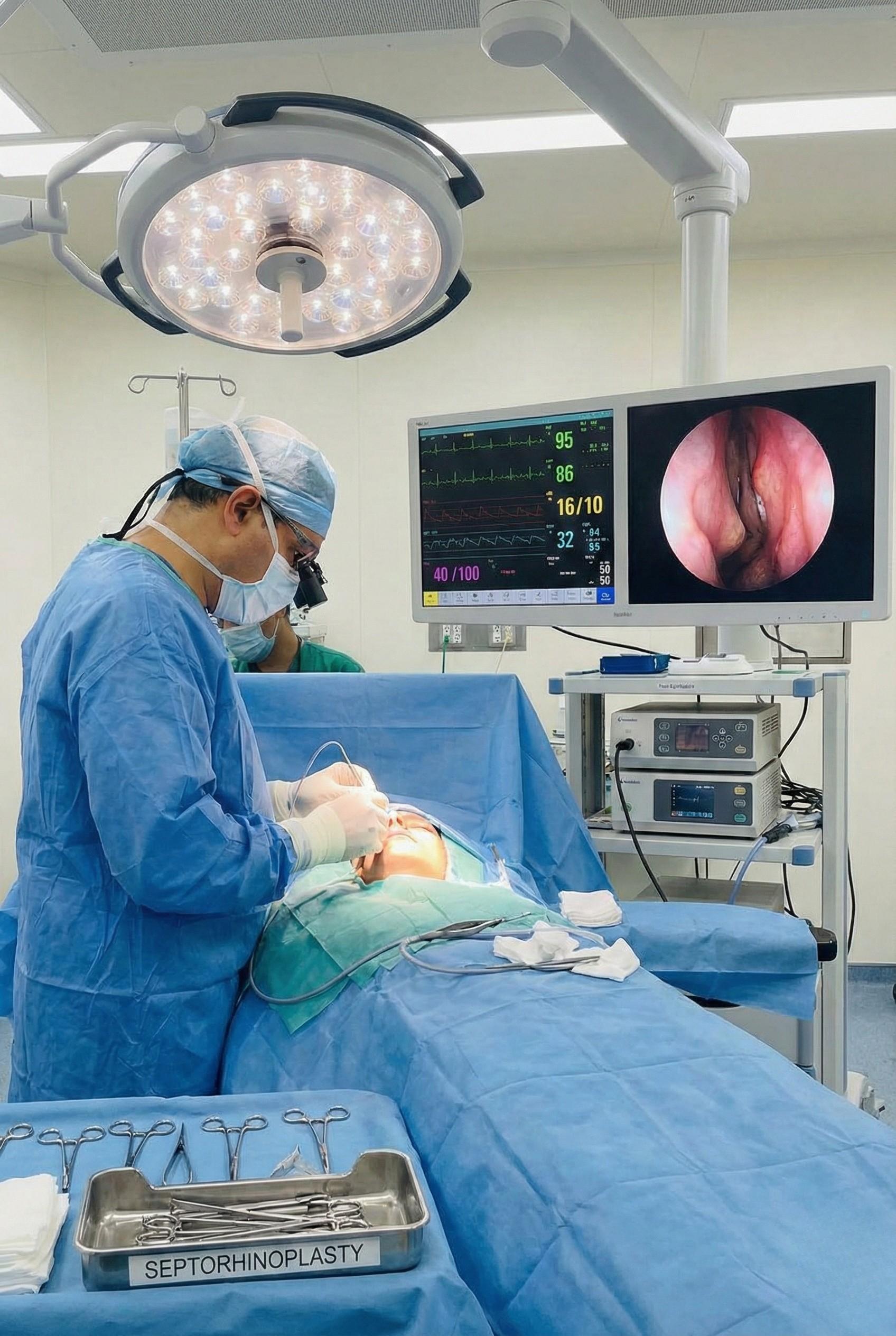
Septorhinoplasty is a combined surgical procedure that corrects a deviated nasal septum while also improving the external shape and structure of the nose. This surgery addresses both functional breathing problems and cosmetic concerns in a single operation. A properly aligned septum allows smooth airflow, while a well-shaped nasal framework enhances facial balance and symmetry. When left untreated, septal deviation with nasal deformity can cause chronic nasal blockage, sinus infections, snoring, and facial imbalance. At our ENT hospital, septorhinoplasty is performed using advanced surgical techniques to achieve natural-looking results with improved nasal function.
Septorhinoplasty is usually recommended for patients experiencing persistent nasal obstruction, difficulty breathing through the nose, nasal deformity due to trauma or birth defects, frequent sinus infections, or dissatisfaction with nasal appearance. It may also be advised when septal deviation affects both breathing and facial aesthetics. Before planning surgery, our ENT specialists perform a detailed nasal examination, imaging studies when required, and facial assessment to create a personalized and precise surgical plan.
After septorhinoplasty, patients receive detailed post-operative care instructions, medications, and scheduled follow-up visits. Initial swelling gradually subsides, and breathing improves over the following weeks. Our team closely monitors healing to ensure safe recovery and optimal functional and cosmetic outcomes.
We follow a meticulous, patient-focused, and evidence-based approach for nasal surgeries. The procedure is performed under controlled sterile conditions with precise surgical planning to maintain nasal strength, symmetry, and long-term stability.
Yes, septorhinoplasty corrects breathing problems while also improving the appearance of the nose.
The procedure usually takes 2 to 3 hours, depending on nasal structure and correction required.
Most septorhinoplasty procedures are performed with minimal or hidden incisions, leaving no visible scars.
Light activities can be resumed within a few days, while complete recovery takes several weeks.
Yes, when performed correctly, Septorhinoplasty provides long-lasting functional and aesthetic results.
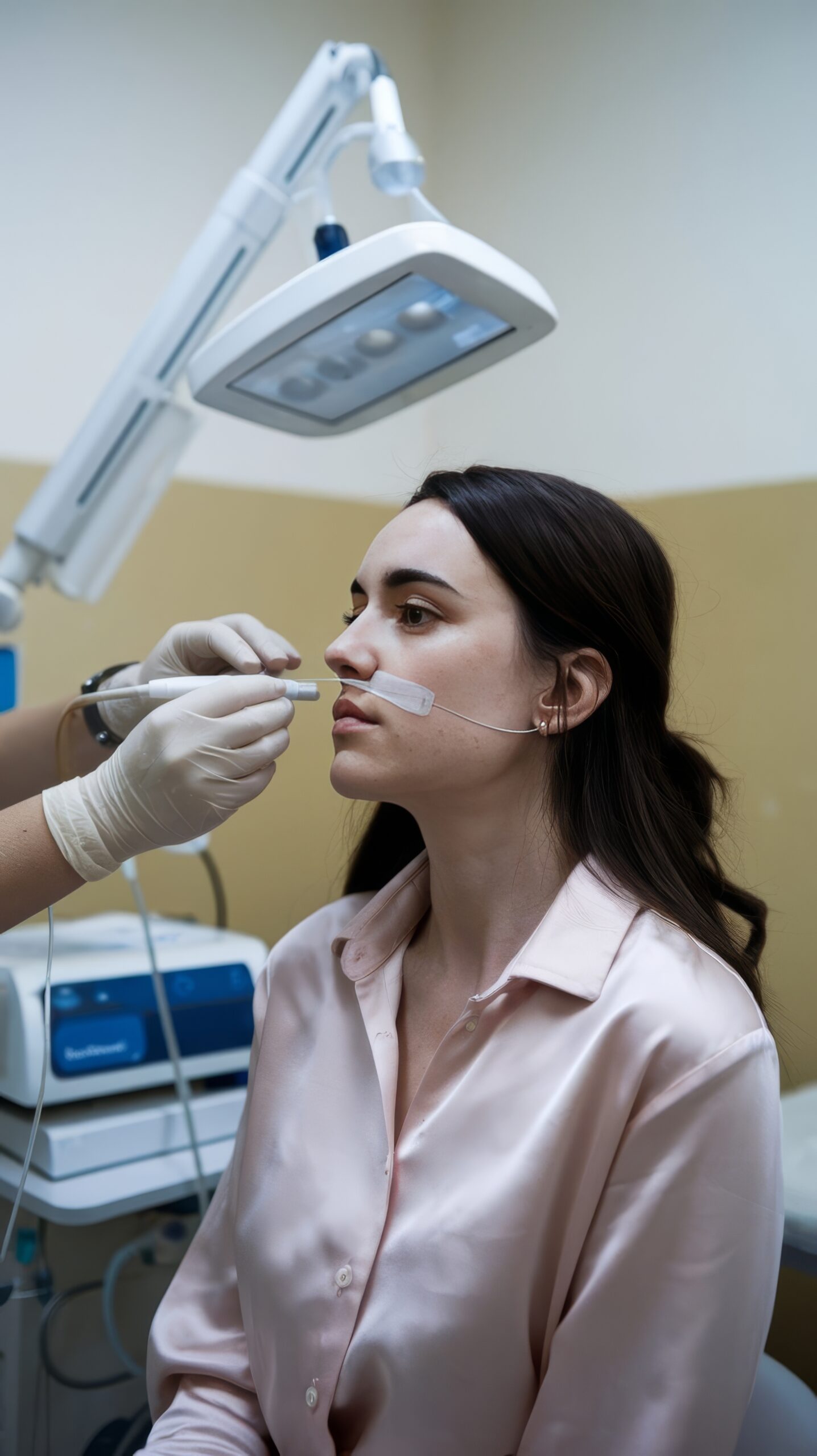
Full House Functional Endoscopic Sinus Surgery (FESS) with Septoplasty and Turbinoplasty is a comprehensive nasal and sinus surgical procedure performed to restore normal breathing and sinus drainage. It addresses chronic sinus disease, nasal septum deviation, and enlarged turbinates that cause persistent nasal blockage. Healthy nasal airflow and sinus ventilation are essential for oxygen intake and infection prevention. When these conditions remain untreated, patients may suffer from recurrent sinus infections, facial pain, headaches, and breathing difficulty. At our ENT hospital, this combined procedure is performed using advanced endoscopic techniques to ensure precision, safety, and long-term symptom relief.
This surgery is usually recommended for patients with chronic sinusitis not responding to medication, severe nasal obstruction due to deviated septum, turbinate hypertrophy, or recurrent sinus infections. It may also be advised when multiple sinus pathways are blocked simultaneously. Before recommending surgery, our ENT specialists perform detailed nasal endoscopy, imaging studies, and clinical evaluation to determine the most effective treatment plan.
After surgery, patients receive detailed post-operative guidance, medications, and scheduled follow-ups. Nasal breathing improves gradually over a few weeks. Our team closely monitors healing to ensure optimal recovery.
We follow a patient-centric, evidence-based surgical approach using high-definition endoscopes in sterile operating environments to achieve precise and safe outcomes.
Yes, all components are safely performed in one surgical session.
The surgery usually takes 2 to 3 hours depending on severity.
Minimal or dissolvable packing is used in most cases.
Light activities can resume in a few days.
Yes, when followed by proper care and follow-up.
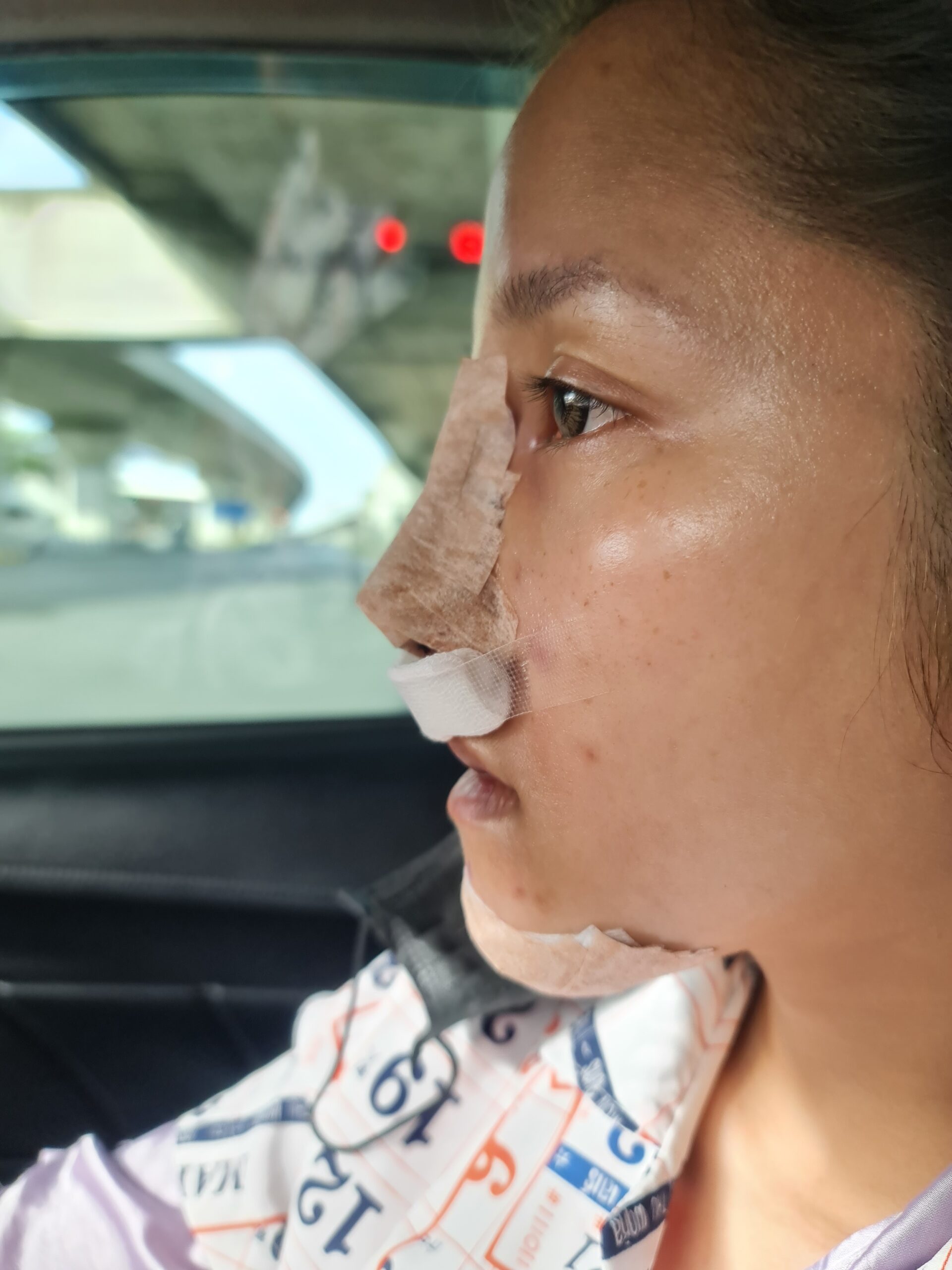
Nasal bone or septal fracture correction is a surgical procedure performed to realign broken nasal bones or damaged nasal septum following trauma or injury. Proper nasal structure is essential for breathing, facial symmetry, and airway stability. If fractures are left untreated, they can lead to nasal deformity, breathing obstruction, sinus problems, and chronic nasal congestion. At our ENT hospital, fracture correction is performed using precise surgical techniques to restore both function and appearance safely and effectively.
This procedure is recommended for patients with nasal trauma causing visible deformity, breathing difficulty, septal deviation, or persistent nasal blockage. It may also be advised when fractures heal improperly. Prior to surgery, our specialists conduct thorough clinical examination and imaging studies to plan accurate correction.
Patients are guided with medications, nasal support care, and follow-up visits. Swelling gradually reduces, and breathing improves over time with proper healing.
We emphasize precision correction using modern surgical methods while preserving nasal structure and function.
Only displaced or symptomatic fractures need surgery.
Ideally within days to weeks after injury.
No, most procedures are done internally.
Usually done as a short-stay procedure.
Swelling decreases significantly within a few weeks.
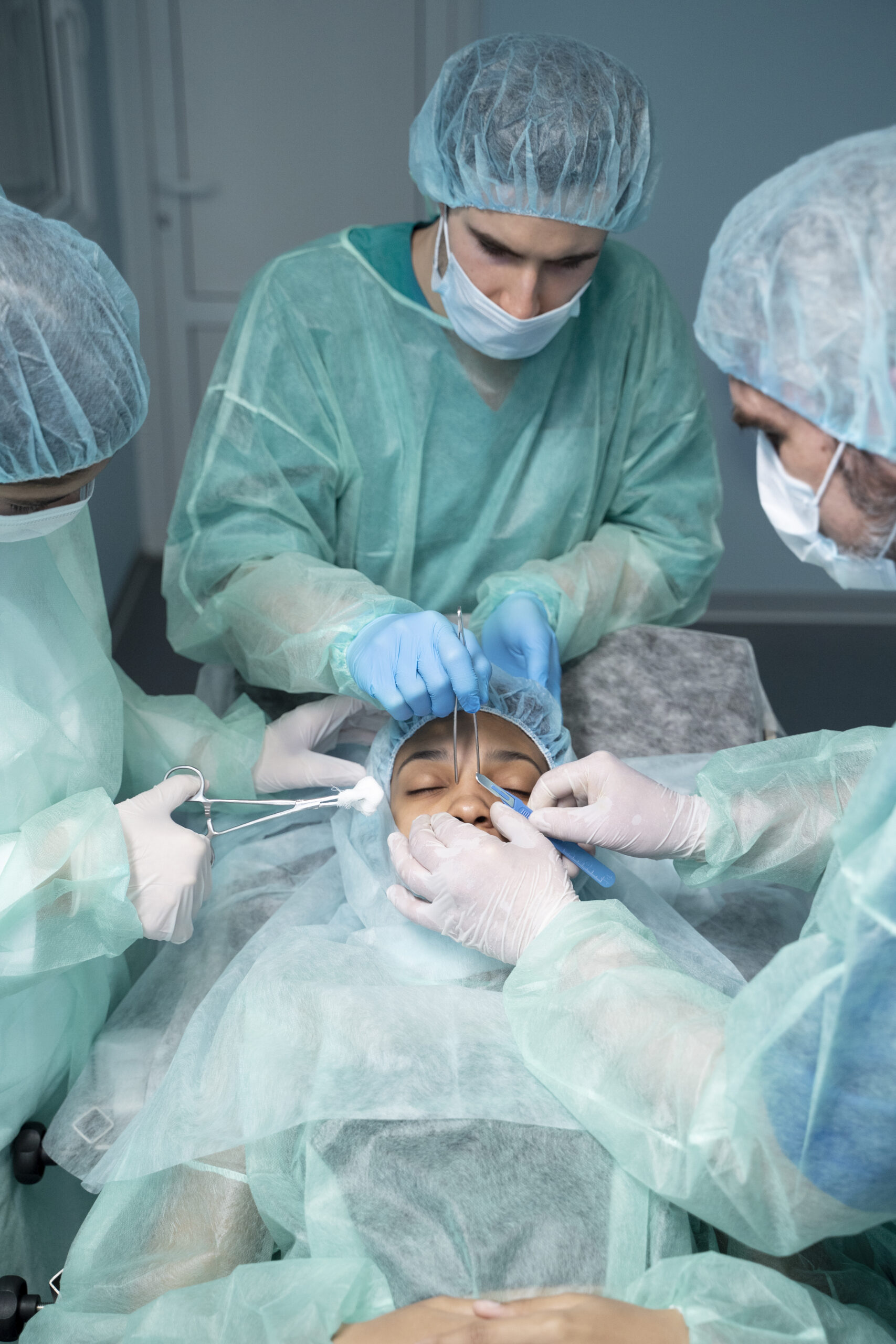
Endoscopic DCR is a minimally invasive surgical procedure performed to treat blockage of the tear drainage system, which causes excessive tearing and recurrent eye infections. A healthy tear drainage pathway is essential for eye comfort and hygiene. When blocked, tears accumulate and lead to watering, infection, and discomfort. At our ENT hospital, endoscopic DCR is performed through the nasal route using advanced endoscopic equipment, ensuring precision and scar-free outcomes.
This procedure is recommended for patients suffering from chronic watery eyes, recurrent eye infections, or confirmed tear duct obstruction. It is advised when medical treatment fails to resolve symptoms. Detailed nasal endoscopy and imaging are conducted before surgery for accurate planning.
Patients receive clear instructions, medications, and scheduled follow-ups. Most experience relief from watering within weeks. Healing is monitored carefully.
We use endoscopic techniques to avoid external scars while ensuring effective tear drainage restoration.
under anesthesia with minimal discomfort.
No, the procedure is entirely endoscopic.
Usually 60 to 90 minutes.
Most patients resume routine activities in a few days.
Yes, success rates are high with proper care.
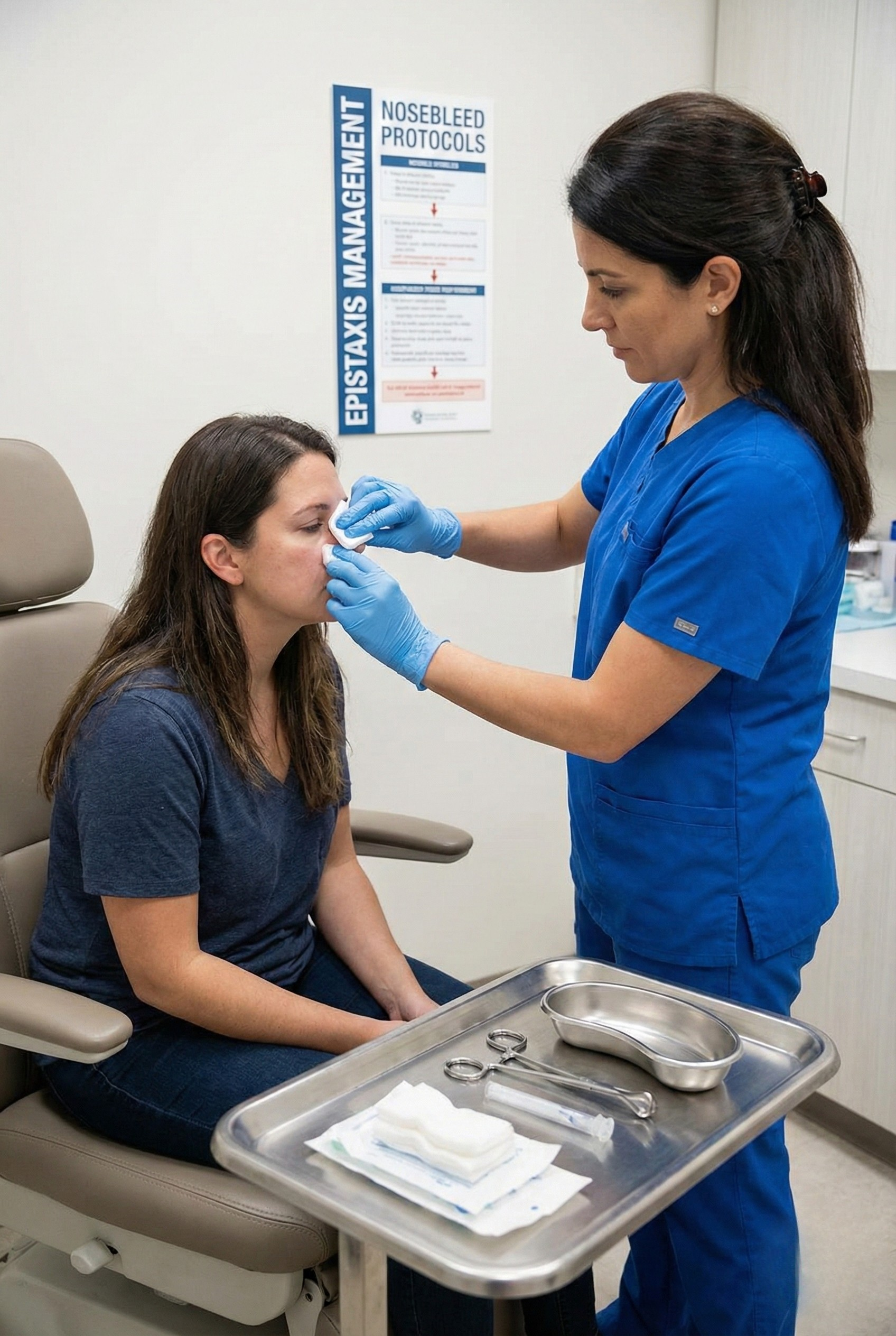
Epistaxis management involves medical or surgical treatment to control recurrent or severe nosebleeds. Healthy nasal blood vessels are delicate and can bleed due to trauma, infections, hypertension, or structural abnormalities. Persistent or heavy nosebleeds can lead to anemia and medical emergencies if untreated. At our ENT hospital, epistaxis is managed using advanced diagnostic evaluation and targeted treatment methods to ensure safe and effective bleeding control.
Treatment is recommended for patients experiencing frequent, severe, or unexplained nosebleeds. It may also be required when conservative measures fail. A detailed ENT examination helps identify the bleeding source and guide appropriate intervention.
Patients are advised on nasal care, medications, and preventive measures. Follow-ups ensure long-term control and healing.
We adopt a systematic and minimally invasive approach to identify and treat the root cause of bleeding.
Occasional bleeds are common, but recurrent ones need evaluation.
Only in severe or uncontrolled cases.
Yes, it is a common contributing factor.
Modern packing techniques minimize discomfort.
Yes, with proper treatment and nasal care.
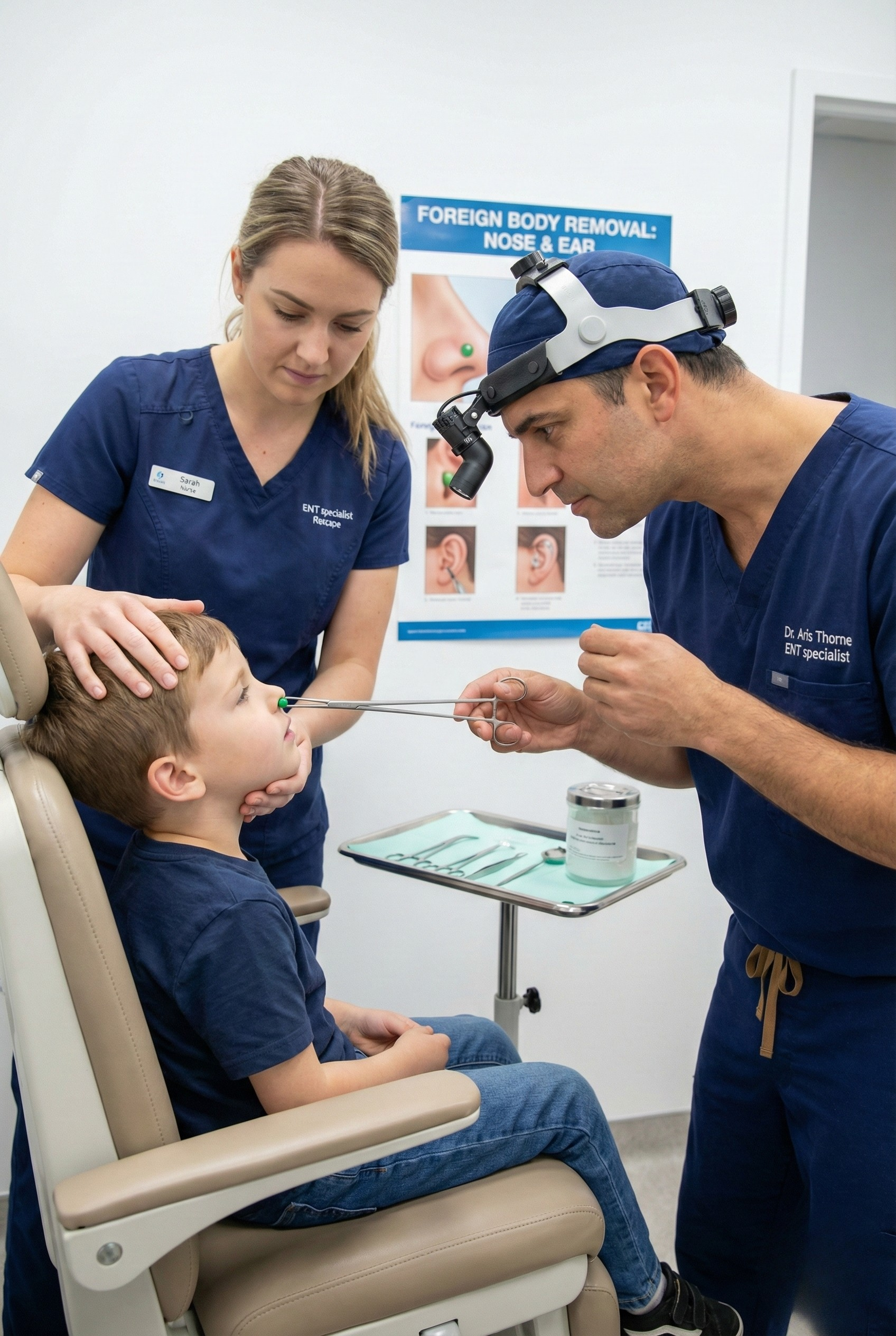
Foreign body removal is a medical procedure performed to safely extract objects lodged in the nose or ear, commonly seen in children but also occurring in adults. Objects such as beads, food particles, insects, cotton, or small toys can obstruct the nasal passages or ear canal, causing pain, infection, hearing issues, or breathing difficulty. If not removed promptly, foreign bodies may lead to inflammation, bleeding, infection, or damage to surrounding tissues. At our ENT hospital, foreign body removal is carried out using specialized instruments and endoscopic assistance to ensure complete removal with minimal discomfort.
This procedure is recommended when a patient experiences nasal blockage, ear pain, foul-smelling discharge, bleeding, hearing difficulty, or visible foreign material in the nose or ear. Insects in the ear and sharp or impacted objects require immediate medical attention. Before removal, our ENT specialists perform a careful examination to identify the type, size, and location of the foreign body to plan the safest approach.
Most patients experience immediate relief after removal. Minimal aftercare is required, though medications may be prescribed to prevent infection or inflammation.
We follow a gentle, child-friendly, and safety-first approach using magnification, endoscopy, and atraumatic techniques to prevent tissue injury.
The procedure is usually painless and may involve local anesthesia if required.
Sedation is used only when necessary, depending on the child’s comfort and cooperation.
Yes, delayed removal may lead to infection or tissue damage.
Most removals are completed within a few minutes.
Home removal is not advised as it may push the object deeper.

Nose laceration repair is a surgical procedure performed to treat deep or full-thickness cuts involving the skin, cartilage, or internal nasal structures. Such injuries commonly occur due to accidents, falls, sports injuries, or trauma and may result in bleeding, cosmetic deformity, or functional nasal issues if not repaired properly. Timely and precise repair is essential to restore nasal structure, appearance, and breathing function. At our ENT hospital, nose laceration repair is performed with meticulous surgical technique to ensure proper wound healing and optimal cosmetic results.
This procedure is recommended when nasal injuries involve deep cuts, exposed cartilage, uncontrolled bleeding, tissue loss, or distorted nasal shape. Immediate medical care is crucial to prevent infection, scarring, or long-term deformity. Our ENT surgeons carefully assess the extent of injury and perform layered repair using fine sutures under sterile conditions.
Patients receive wound care instructions, medications, and follow-up visits. Healing typically progresses well with minimal scarring when managed appropriately.
We use precise surgical closure techniques focusing on functional restoration, cosmetic alignment, and infection prevention.
Yes, deep lacerations require surgical repair by an ENT specialist.
Proper technique significantly minimizes scarring.
Ideally within a few hours of injury.
Most cases are treated on an outpatient basis.
Initial healing occurs in 7–10 days, with gradual scar maturation.
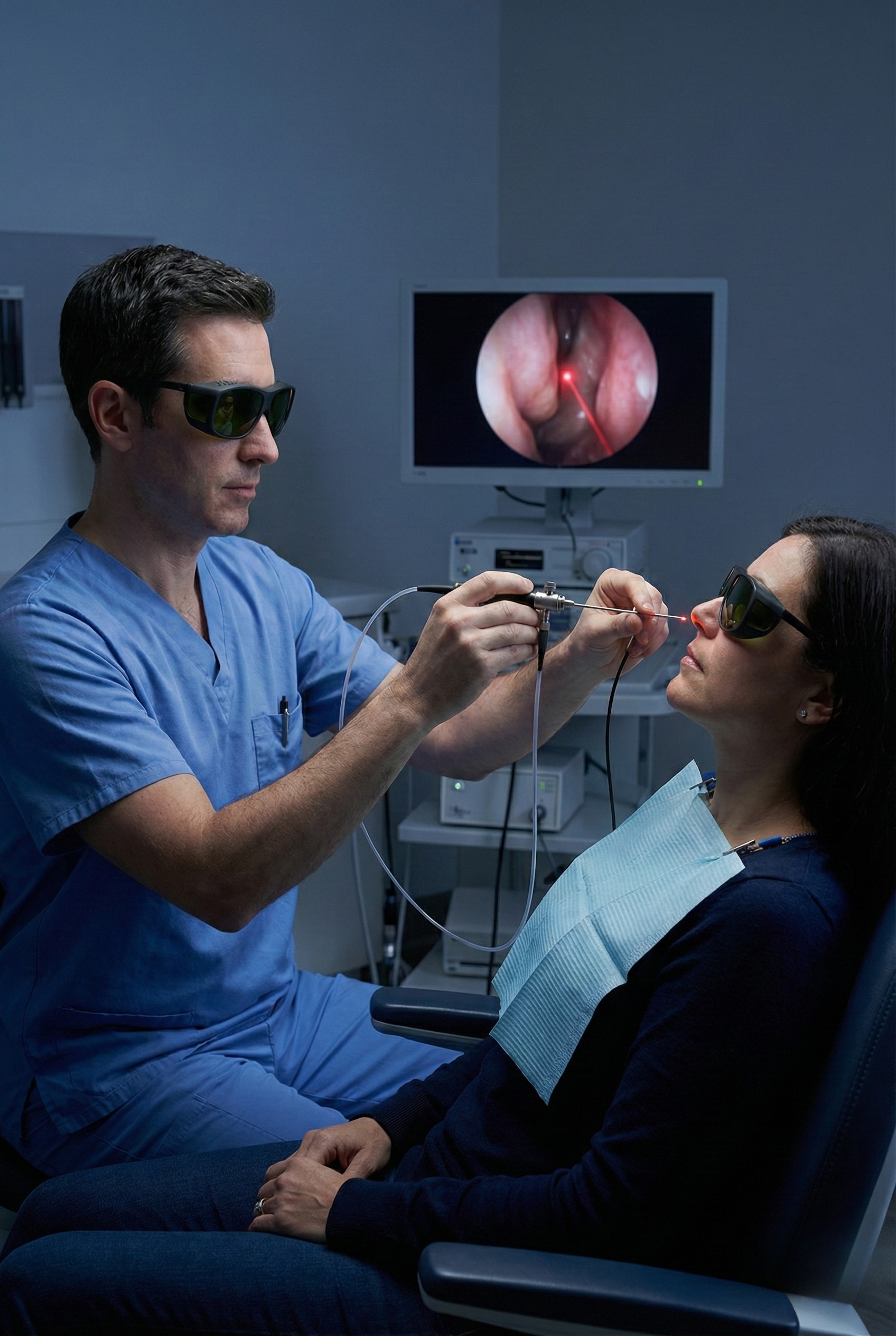
Nasopharyngeal space laser application is a minimally invasive ENT procedure used to treat abnormal tissue growth, lesions, or chronic inflammatory conditions in the nasopharyngeal region. This area, located behind the nasal cavity, plays a vital role in breathing and ear function. Conditions affecting this space can cause nasal obstruction, ear blockage, recurrent infections, or voice changes. Laser technology allows precise removal or reduction of targeted tissue while preserving surrounding healthy structures. At our ENT hospital, advanced laser systems are used to ensure accuracy, safety, and faster recovery.
This procedure is recommended for patients with nasopharyngeal hypertrophy, benign lesions, chronic inflammation, or recurrent symptoms unresponsive to medical therapy. Laser application may also be advised to improve airway patency or address Eustachian tube–related issues. A detailed endoscopic evaluation is performed before planning treatment.
Recovery is usually quick, with minimal discomfort. Patients are advised on medications and follow-up visits for optimal healing.
We adopt a minimally invasive, precision-based laser approach to ensure effective treatment with minimal tissue trauma.
Yes, laser procedures are safe when performed by trained ENT specialists.
Local or short anesthesia may be used depending on the case.
Bleeding is minimal due to laser cauterization.
Usually completed within 30–45 minutes.
Recurrence is rare when underlying causes are addressed.